All Categories
Featured
Table of Contents
These immediate alerts empower IT and security specialists to examine and react to risks without delay, typically before damage can occur. Tools like Splunk or Datadog, for instance, permit companies to customize alert limits and automate actions, making it possible to mitigate dangers while preserving the agile pace of cloud operations.
These sped up release cycles, while advantageous for innovation and speed, present an ongoing stream of potential security threats. Every code update, infrastructure change, or setup fine-tune creates a new entry point that attackers may make use of. While strenuous application security screening before deployment captures lots of concerns, it does not guarantee complete defense.
To deal with these evolving challenges, organizations require robust strategies that constantly monitor for vulnerabilities and prioritize them based on danger. Solutions that handle application security posture play a vital role here: They help determine weak areas in cloud applications as quickly as they appear. Removal efforts can be focused on, making sure that the most pressing risks are managed quickly.
Proactive Budget Planning for Modern Cloud Environments
Compliance with industry standards, such as GDPR or HIPAA, is more easily maintained. By embedding these practices into CI/CD pipelines, security becomes a natural extension of hectic cloud advancement, supporting both operational agility and a strong security stance. Switching from a patchwork of standalone security tools to a combined cloud-native application security platform (CNAPP) provides clear functional benefits.
With a CNAPP in place, security teams acquire the ability to apply policies and controls across different cloud accounts, geographical areas, jobs, and virtual networksall from a single pane of glass. This streamlined approach not just speeds up action times but likewise enhances presence and consistency across environments. Completion result? Less time spent on manual coordination and more resources freed up for higher-value priorities, enhancing both effectiveness and self-confidence in your security posture.
Scaling Automated Governance Across Diverse Hyperscale Platforms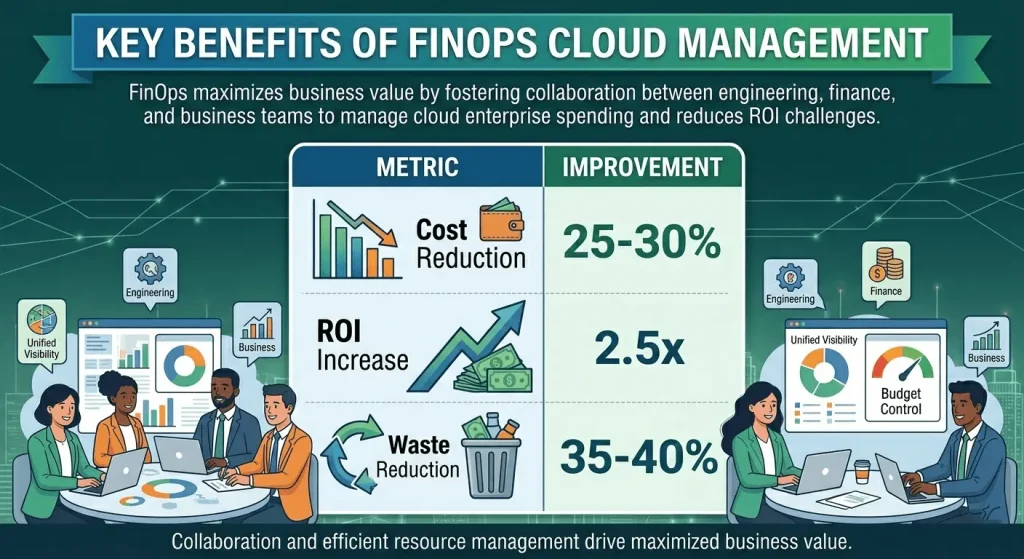
To ensure your group shows optimum efficiency throughout security events, the plan ought to offer clear guidance and structure at every stage. Specify precisely who does what in the past, during, and after an occurrence. This makes sure that every team memberwhether from IT, security, or communicationsknows their part in the action process.
Rapid notificationwhether through automated systems or designated contactshelps your team act quickly to consist of hazards and minimize operational interruption. Detail how to communicate internally and externally with stakeholders, partners, or law enforcement (such as the FBI or regional authorities), guaranteeing info is shared effectively and appropriately.
This helps improve procedures for future incidents and supports ongoing improvement. By embedding these parts into your event response plan, you enable your security team to collaborate actions flawlessly, recover quickly, and minimize the overall effect of any security occurrence. Embracing a combined security platform can be a video game changer when it pertains to streamlining operations and reducing intricacy in cloud environments.
Streamlining Cloud Assets to Maximize Corporate Efficiency
This centralized technique empowers protectors to see the larger image. By monitoring activities and dangers across the whole cloud estate from a single control panel, security groups can track enemy movements and spot threats without continuously switching between multiple consoles or interfaces. The result is clearer, quicker insightno more piecing together different reports to understand what's taking place.
This indicates companies can achieve broad presence and protection, even in areas where releasing conventional agents is tricky. With everything connected into one consistent interface, policies can be presented promptly across varied accounts, projects, or regions, making sure that security equals growth. Maybe most significantly, streamlining the security stack lowers licensing headaches and functional overhead.
For enterprises wanting to keep pace in an ever-evolving cloud landscape, this unified method can be the linchpin that changes security from a twisted web into an efficient, versatile force. When an organization embarks on a cloud migration journey, numerous crucial concerns require thoughtful consideration to ensure a smooth shift.
Will you retire, diminish, or transfer present properties? This choice can substantially impact your financial strategies.: Analyze if the cloud migration aligns with your cost-reduction objectives. Examine its effect on your financial statements, especially on your balance sheet.: Examine whether your existing applications are developed for efficient cloud deployment.
: Make sure that you have thorough exposure throughout both your existing and new cloud environments. Comprehending interdependencies at every stagepre-migration, throughout, and post-migrationis crucial for keeping functional integrity.: For organizations moving from one cloud provider to another, it's vital to develop a robust exit strategy. This need to address issues around agreement terms, data ownership, supplier responsibilities, and the execution of post-migration clean-up.

Latest Posts
Aligning Cloud Infrastructure With 2026 Efficiency
Is Your IT Budget Prepared for 2026?
How Cost Governance Scales 2026 IT Infrastructure